
Death is one of those things nobody really wants to talk about directly. Finding the right words in those moments whether you are writing a eulogy or sending a condolence message feels almost impossible. So over centuries, human language quietly developed a whole collection of gentler alternatives. Metaphors for death and euphemisms like “passed away,” “departed for the other side,” or “crossing the threshold” became the way people talked about dying without having to say the word itself. Here are 20 of the most powerful and expressive metaphors for death with examples to help you use them naturally. Whether the tone is poetic, spiritual, literary, or even gently humorous, each phrase carries its own meaning and emotional weight.
20 Metaphors for Death — Poetic, Polite and Powerful Ways to Say Someone Has Passed
You will find these metaphors for death everywhere because people naturally search for poetic expressions and metaphors for dying. In classic literature, Shakespeare wrote about “shuffling off this mortal coil” in Hamlet’s famous soliloquy. In Greek mythology, death was described as crossing the River Styx into the underworld. In religious and spiritual traditions across different cultures, dying is spoken of as “transitioning to the afterlife” or “entering eternal rest.” Even in rather than blunt language, because sensitivity and compassion matter deeply when talking about loss.
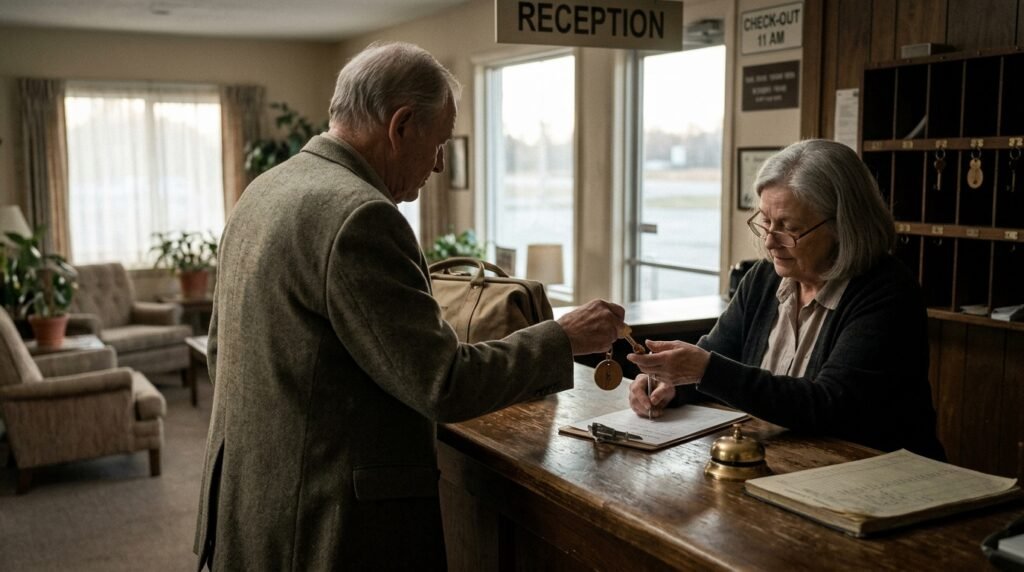
1. Checking out
Meaning:
A casual and lighthearted way of saying someone has died.
How to use it in a sentence:
He always said he wanted to check out with a big grin on his face.
How to say it differently:
Punching out, Clocking off for good
2. Crossing the river Styx
Meaning:
Dying and traveling into the afterlife, as told in ancient Greek stories.

How to use it in a sentence:
In the tale, the hero crosses the river Styx and enters the land of the dead.
How to say it differently:
Passing into the underworld, Sailing across the Stygian waters
3. Fading away
Meaning:
Slowly disappearing, often used to describe life quietly coming to an end.

How to use it in a sentence:
As she got older, her memories started fading away.
How to say it differently:
Slipping away
4. Taking the final journey
Meaning:
Dying and setting off on one last adventure.
How to use it in a sentence:
The old sailor always smiled when he talked about taking the final journey..
How to say it differently:
Starting the last voyage
5. Shuffling off this mortal coil
Meaning:
Dying and leaving the physical body behind for good.

How to use it in a sentence:
Shakespeare had Hamlet think out loud about shuffling off this mortal coil in one of the most memorable speeches ever written.
How to say it differently:
Leaving the earthly world behind
6. Journeying into the night
Meaning:
Dying and going somewhere dark and unknown.

How to use it in a sentence:
As granny’s illness got worse, it felt more and more like she was slowly journeying into the night.
How to say it differently:
Stepping into the night’s arms
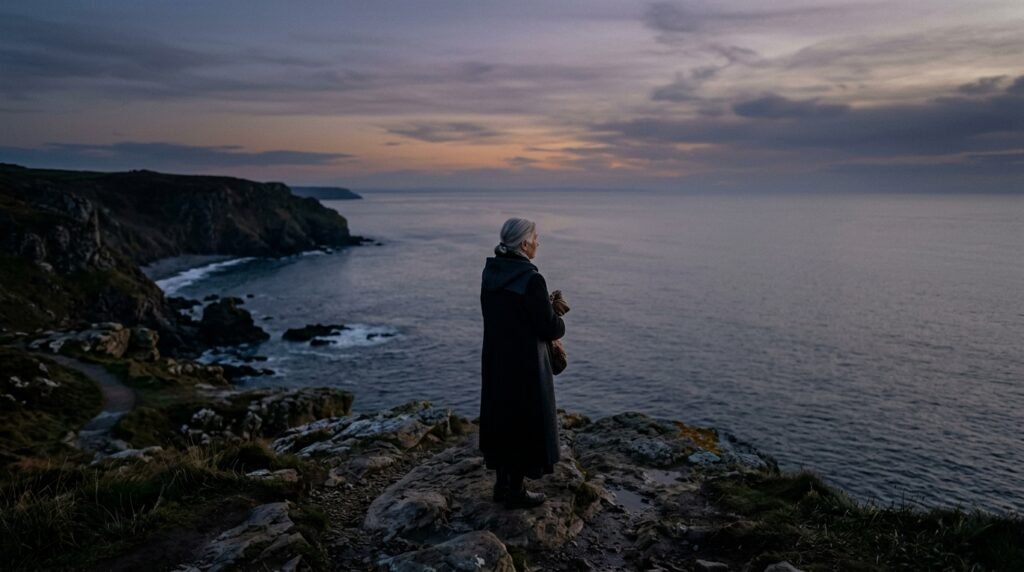
7. Meeting the final silence
Meaning:
Dying and entering a stillness that never breaks.
How to use it in a sentence:
With every passing moment, it felt like Patrick was moving a little closer to meeting the final silence.
How to say it differently:
Facing the everlasting quiet
8. Departing for the other side
Meaning:
Dying and going to a place beyond this life.
How to use it in a sentence:
When my grandmother passed, we found comfort in saying she had departed for the other side.
How to say it differently:
Crossing over to the other shore
9. Embracing the great sleep
Meaning:
Settling into a rest that never ends.

How to use it in a sentence:
The old Peter wore a soft smile as he embraced the great sleep.
How to say it differently:
Welcoming eternal rest
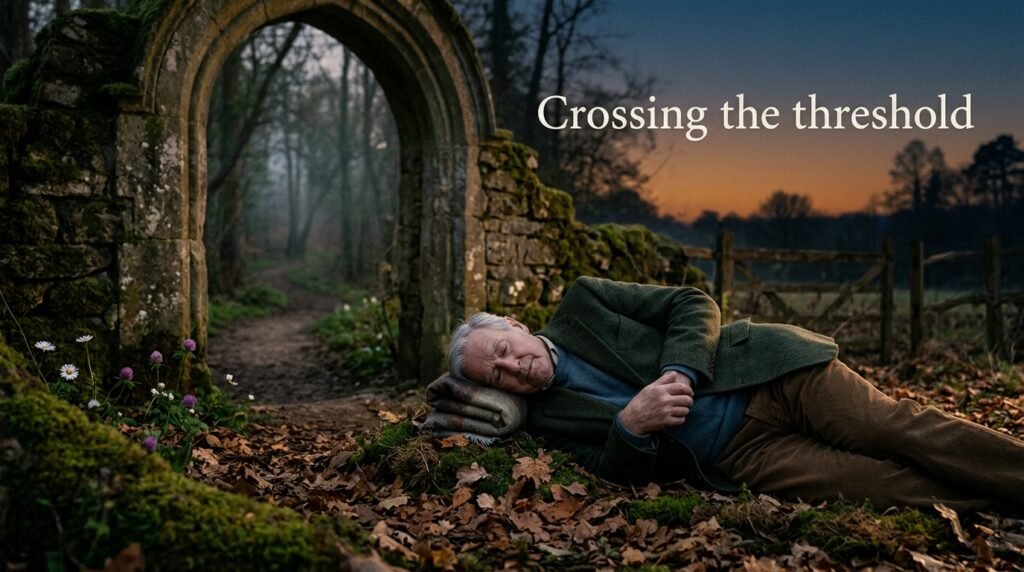
10. Crossing the threshold
Meaning:
Moving from life into death.
How to use it in a sentence:
With every difficult breath she took, it felt like she was slowly crossing the threshold into somewhere none of us can truly imagine.
How to say it differently:
Stepping past the boundary
11. Meeting the reaper
Meaning:
Coming face to face with death.
How to use it in a sentence:
Old folk stories were full of people who had met the reaper and somehow made it back.
How to say it differently:
Standing before death
12. Going to eternal sleep
Meaning:
Entering a rest that lasts forever.
How to use it in a sentence:
The old cat curled up in her favorite warm spot and gently went to her eternal sleep.
How to say it differently:
Settling into everlasting rest
13. Taking the final bow
Meaning:
Ending your life or chapter.
How to use it in a sentence:
As the veteran actor walked off stage, everyone in the room knew he was taking his final bow.
How to say it differently:
Going out gracefully
14. Passing into the beyond
Meaning:
Leaving the physical world for something greater.

How to use it in a sentence:
Many cultures believe that when we die, we simply pass into the beyond.
How to say it differently:
Stepping into the great unknown
15. Slipping into eternity
Meaning:
Entering a place where time does not exist.

How to use it in a sentence:
As Eric closed his eyes for the very last time, he slipped into eternity.
How to say it differently:
Fading into timeless peace
16. Meeting one’s demise
Meaning:
Coming face to face with death.
How to use it in a sentence:
The courageous soldier met his demise in the battlefield.
How to say it differently:
Running into one’s end
17. Fading into oblivion
Meaning:
Slowly being forgotten, as if you were never there.

How to use it in a sentence:
The grand old building had stood for hundreds of years before it finally began fading into oblivion.
How to say it differently:
Slipping away from memory
To learn more about such dying metaphors, you might like to visit this.
18. Taking the final flight
Meaning:
Rising up into the heavens or whatever lies beyond.
How to use it in a sentence:
The old pilot often joked that he was looking forward to taking the final flight someday, going higher than any plane had ever taken him.
How to say it differently:
Flying off into eternity
19. Meeting one’s destiny
Meaning:
Dying as if it was always meant to happen that way.
How to use it in a sentence:
The old prophecy said the hero would be meeting his destiny in one great, final battle against everything dark and dangerous.
How to say it differently:
Reaching one’s destined end
20. Crossing the river of time
Meaning:
Dying and leaving this world behind.

How to use it in a sentence:
Samantha closed her eyes peacefully, as if she was crossing the river of time.
How to say it differently:
Passing through the currents of time
To explore metaphors for life, you may like to go through this article.
Conclusion
These metaphors for death are more than just polite substitutes for a difficult word. They are a reflection of how different cultures view mortality, what people believe about the afterlife, and how much care goes into the language of grief. For writers, they add depth and sensitivity to death scenes. For those going through loss, they offer a gentler way to process and express something that words can barely hold. For anyone writing a eulogy, an obituary, or a condolence message, they provide language that honors a life with the dignity it deserves.
If this article helped you find the right phrase or gave you a new way to think about the language of loss, feel free to bookmark it or share it with someone who might need it. And if there is a metaphor for death that resonated with you or one we missed, drop it in the comments. We would genuinely love to hear it.