
Exploring metaphors for perfumes, more than just poetic enhancements, they shape our understanding of scent and its emotional impact. A skilled perfume distributor understands this variation, using metaphors not just as descriptive tools but as a bridge to connect consumers with fragrances.
Imagine entering a room filled with fragrance; the way you describe it determines whether it excites or swamps. Metaphors are the key to unlocking the deeper connections we form with perfumes, and a perfume distributor’s insights unveil a fascinating layer to this art. This article delves into the artistry of perfume language through the eyes of a perfume distributor.
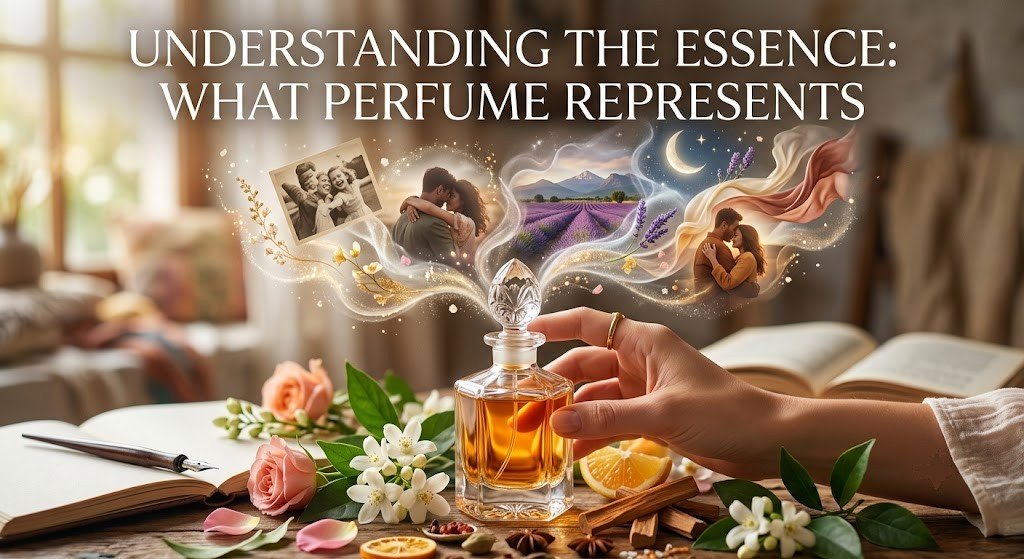
Understanding the Essence: What Perfume Represents
The Art and Science of Perfumery
Perfumery transforms intense materials into a powerful sensory experience. The chemical process begins with a variety of natural and synthetic ingredients that are essential oils, absolutes, and aroma materials, each of which contains unique scent properties. This complicated layering of notes, which are top, middle, and base, demands an artist’s instinct to create harmony and balance.
A Reflection of Personality and Mood
Perfumes have an unnatural ability to serve as an extension of our identity, capturing the essence of our mood and personality. The odour experience is deeply interlaced with memory and emotion. For instance, someone drawn to vibrant floral scents might release warmth and approachability, while a preference for earthy, woody notes hints at depth and soul-searching.
Furthermore, the choice of perfume can shift our moods, acting as a silent dialogue between our insides and the outside world. A bold & spicy fragrance might cheer us on challenging days, while a light scent can lift our spirits during happy moments. This interaction plays a vital role in our psychological landscapes and can even influence how we navigate social interactions. Ultimately, perfumes serve not just as attracting aromas but as knitted into the fabric of our daily lives.
Cultural and Historical Significance
Perfumes have played an important role in human culture throughout history. In the old days, perfumes were woven into the fabric of daily life and religious rituals, and also used in ceremonies to honour the dead.
Furthermore, the evolution of perfumes reflects the shifting values of societies over time. During the resurrection, the introduction of new botanical discoveries increased a blossoming interest in scent. This led to a more cultured appreciation of fragrance, where scents began to be associated with cultural movements and artistry. In an era where we often seek authenticity, the layered stories behind these fragrances induce a reflection on our own identities and connections to the world around us.
Metaphors for Perfume: A Whiff of Imagination
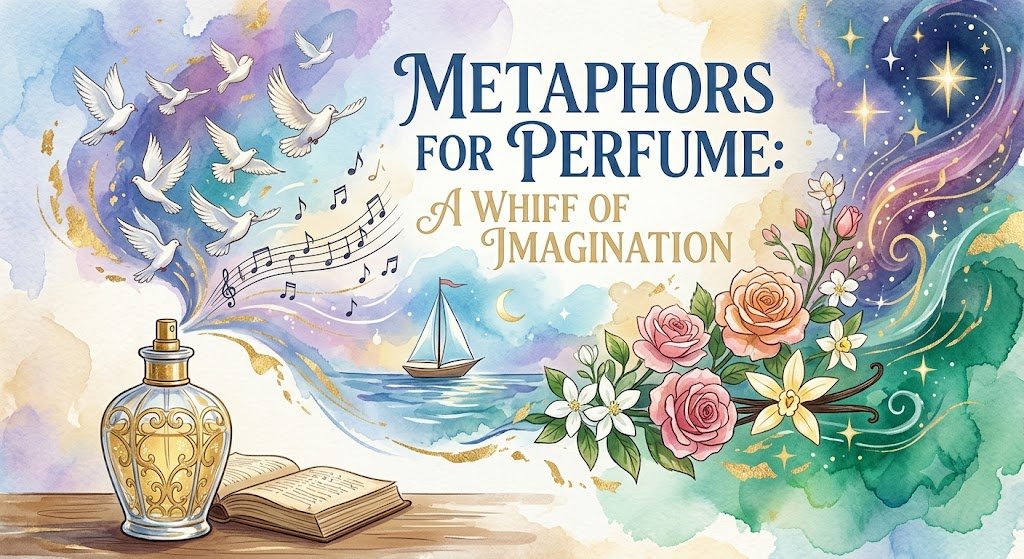
Perfume is often linked to a time capsule, capturing passing moments in fragrant bottles. Each spray takes us to places we might have never visited or resurrects memories stuck away in the corners of our minds. The smell experience becomes a bridge to nostalgia and daydreaming.
Consider fragrance plays its role in a harmonious ballet of emotions and sensations. The sharpness of citrus might awaken a sense of awareness, while the warmth of vanilla and amber envelops you in a comforting embrace. So perfume can tell a story, each layer unfolding like verses in a poem, inviting you to explore inner landscapes of imagination and feeling.
Scents and Sensibility: How Perfume Distributors Describe Fragrances
Perfume distributors often engage a poetic glossary to recall the emotional landscapes that fragrances can cross. They don’t just describe notes; they explain stories. For instance, a scent may be characterised as “opening with a burst of citrus zest, reminiscent of sun-dappled mornings,” inviting consumers to imagine themselves basking in golden rays. This language transforms a simple product into an experience, allowing individuals to connect their identities with suggestive memories and aspirations.
Moreover, the art of fragrance description goes beyond traditional notes like floral or woody; it delves into synesthetic experiences, where scents are linked to colours, textures, and even sounds. Ultimately, through this realistic storytelling approach, distributors not only raise consumer engagement but also reflect the complex interplay between scent and memory.
The Language of Fragrance: Comparing Perfume to Art and Music
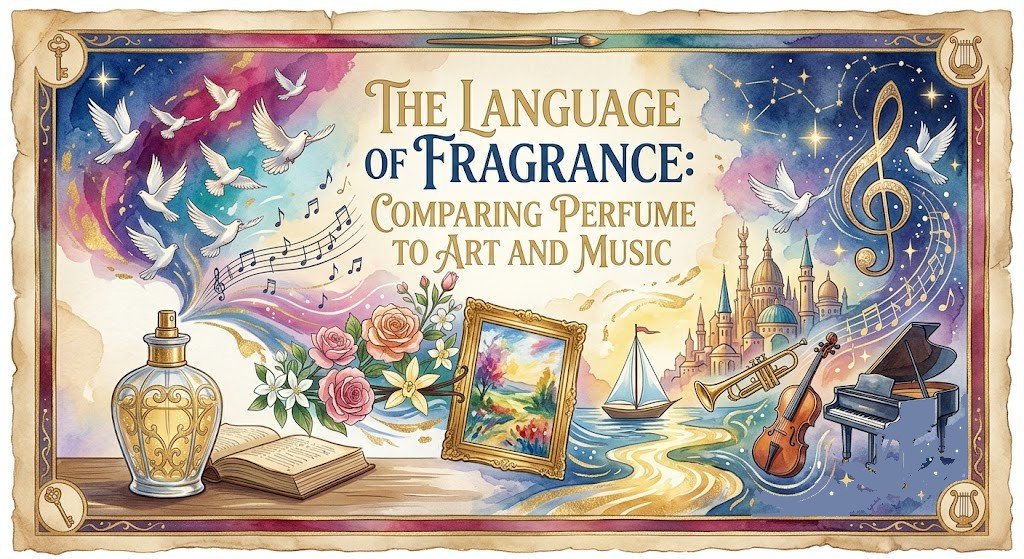
Fragrance, much like art and music, serves as an emotional vessel, summarising memories, desires, and dreams. Just as a painter chooses colours to convey a specific mood, perfumers use notes like citrus, floral, and woody to obtain particular feelings. The creation of a perfume is similar to composing a symphony; the top notes provide an immediate burst of sensation, while the heart and base notes develop, revealing complexities that resonate with the soul long after the initial experience fades.
Conclusion
The journey through metaphors for perfume reveals the complex interaction between fragrance, emotion, and human experience. Insights from perfume distributors shed light on how these metaphors can enhance our appreciation of scent grading, turning a simple spray into a narrative of self-expression. Each fragrance expresses a tale waiting to be explored, inviting us to mould connections with our inner selves and those around us. As we reflect on the significance of these metaphors, let us not just wear perfume but also actively engage with its stories. Choose a fragrance that inspires you today and let it express the essence of who you are.